
Latinx-Centered Psychodynamic
Consultation Group
An 9-session virtual consultation group for Latinx therapists and clinicians seeking culturally grounded psychodynamic peer consultation, clinical case discussion, and professional community.

Program Overview
The Latinx-Centered Psychodynamic Consultation Group is a virtual clinical consultation program designed specifically for Latinx therapists and mental health professionals. Meeting once per month over nine sessions, the group provides a dedicated space to discuss live clinical material, engage with contemporary psychodynamic literature, and build a steady peer network — all within a culturally grounded framework that centers the unique experiences and strengths of Latinx clinicians. Led by Dr. Merari Fernandez, PhD, LCSW, and Dr. Kelly G. Arteaga, PsyD, the program is housed within ICSW’s Dean’s Distinguished Speaker Series and offers 18 continuing education credits for Illinois-licensed professionals. Participants from prior cohorts are encouraged to re-enroll for subsequent cycles, building on the clinical relationships and professional community established in earlier sessions.
Distinctive Educational Method
The consultation group combines live clinical case discussion with engagement of contemporary psychodynamic literature, creating a learning environment that is both clinically grounded and theoretically rich. Unlike traditional CE workshops, this program builds a sustained peer consultation community over nine months — allowing participants to develop deeper clinical relationships, revisit cases over time, and integrate new perspectives into ongoing work with clients. The monthly cadence and small-group virtual format make the program accessible for working clinicians while maintaining the depth and continuity that meaningful consultation requires.
At a Glance
Why It Stands Out
One of the only psychodynamic consultation groups specifically designed for Latinx clinicians — centering cultural identity, bilingual practice, and the professional experiences of Latinx therapists within a rigorous psychodynamic framework, with the continuity of an 9-month peer community.
Designed For
Latinx therapists, clinical social workers, psychologists, counselors, and marriage and family therapists seeking culturally grounded psychodynamic consultation and peer community.
Program Format
9-session virtual consultation group via Zoom. One Wednesday per month, 3:00–5:00 PM CST, running September through May (9 months).
Why Clinicians Choose This Program
Latinx clinicians often practice in settings where their cultural identity and bilingual skills are assets — but psychodynamic consultation is nonexistent or psychodynamic consultation spaces rarely center their experiences. This group fills that gap: a dedicated space to bring live clinical material, engage psychodynamic ideas through a culturally grounded lens, and build the kind of steady peer network that sustains clinicians over the long term. The re-enrollment model reflects the program’s value — participants return because the community and consultation continue to deepen their clinical work.
What Participants Gain
Clinical Consultation
Discuss live clinical material in a supportive, culturally affirming small group — gaining new perspectives on your work with clients and deepening psychodynamic case conceptualization.
Cultural Grounding
Practice within a space that centers Latinx identity, bilingual clinical work, and the unique strengths and challenges Latinx therapists bring to psychodynamic practice.
Professional Community
Build a steady peer network over 9 months of monthly consultation — the kind of sustained professional relationships that one-time workshops cannot create.

9-Session Program Structure
The consultation group meets once per month over nine sessions, combining live clinical case discussion with contemporary psychodynamic literature engagement in each meeting.
| Component | Description |
|---|---|
| Monthly sessions | 9 sessions, one Wednesday per month, 3:00–5:00 PM CST via Zoom. 120 minutes of consultation per session. |
| Clinical case discussion | Participants present live clinical material for group consultation, receiving feedback from facilitators and peers within a psychodynamic and culturally grounded framework. |
| Literature engagement | Each session incorporates contemporary psychodynamic literature, connecting clinical discussion to current theory and research. |
| Re-enrollment pathway | Participants from prior cohorts are encouraged to re-enroll for subsequent cycles, deepening clinical relationships and building on prior learning. If re enrolling participants will benefit from new readings, review and update of progress on prior cases presented as well as a sustaining long term supportive relationships within the Latinx professional community. |
Program Pillars
| Program Pillar | Clinical Function |
|---|---|
| Live Clinical Consultation | Participants bring real clinical material for group discussion, gaining immediate feedback and new perspectives on their psychodynamic work with clients. |
| Psychodynamic Literature | Engagement with contemporary psychodynamic literature grounds the consultation in current theory and expands the conceptual toolkit available to participants. |
| Cultural Centering | The group is designed by and for Latinx clinicians, centering cultural identity, bilingual practice, and the lived professional experiences of Latinx therapists. |
| Peer Community | Nine months of monthly meetings build sustained professional relationships — a consultation community that participants can return to through re-enrollment in subsequent cycles. |
Participant Learning Outcomes
By the end of the program, participants will be able to:
- Apply psychodynamic concepts to clinical case material within a culturally responsive framework that centers Latinx identity and experience.
- Engage contemporary psychodynamic literature and connect it to their clinical practice with diverse client populations.
- Conceptualize clinical cases using psychodynamic formulation, integrating cultural context and the therapeutic relationship.
- Learn how immigration, race, class, political, economic and sociocultural factors contributed to their patients’ suffering.
- Identify their own racial biases and how these biases impact their work with their patients.
- Describe the relevance of psychodynamic thinking when discussing immigration, race, class, political, economic and sociocultural factors.
Teaching Format and Program Components
| Component | Description |
|---|---|
| Monthly consultation session | 120-minute virtual group session via Zoom, combining clinical case presentation, peer discussion, and literature engagement. |
| Case presentation format | Participants present live clinical material for group consultation. Therapists rotate so that each participant present a case. Therapist will choose a client is clinically appropriate to present based on the therapist clinical judgement. Therapist will send clinical material a week prior the meeting by following a specific format that is shared with the group at the beginning of the cycle. |
| Literature component | Contemporary psychodynamic readings integrated into each session. Readings are assigned in advanced and will be shared once participant is enrolled in the group. |
| Facilitation | Co-led by Dr. Merari Fernandez, PhD, LCSW, and Dr. Kelly G. Arteaga, PsyD, providing expert psychodynamic guidance within a culturally affirming framework. |
| Continuing education | 18 CE credits approved for Illinois-licensed social workers, counselors, marriage and family therapists, and psychologists upon completion of all 9 sessions. |
| Virtual platform | All sessions conducted via Zoom, making the program accessible to clinicians regardless of location. |

Who Should Enroll
- Latinx therapists, clinical social workers, psychologists, counselors, and marriage and family therapists seeking culturally affirming psychodynamic consultation.
- Licensed clinicians interested in deepening psychodynamic practice through peer case discussion and contemporary literature engagement.
- Clinicians who want to build a professional peer network with other Latinx mental health professionals.
- Returning participants from prior cohorts seeking continued consultation and community. Those with one-year minimum experience providing psychotherapy.
Final Contact and Program Details
| Program dates |
Most recent cohort: September 2026 to May 2027.
Session Dates: Sept 2, Oct 7, Nov 4, Dec 2, Jan 6, Feb 3, Mar 3, Apr 7, May 5
|
| Format | Fully virtual via Zoom. |
| Schedule | One Wednesday per month, 3:00–5:00 PM CST (9 sessions total). |
| Tuition | $495 for all 9 sessions. |
| CE status | 18 continuing education credits for Illinois-licensed social workers, counselors, marriage and family therapists, and psychologists. |
Prospective Participant FAQ
| Question | Suggested Response |
|---|---|
| Who is this program for? | Latinx therapists, clinical social workers, psychologists, counselors, and marriage and family therapists who want culturally grounded psychodynamic consultation and peer community. |
| Do I need to identify as Latinx to participate? | Yes, you do have to identify as a Latinx therapist to participate in this consultation group. |
| Is this program fully virtual? | Yes. All sessions are conducted via Zoom, one Wednesday per month from 3:00–5:00 PM CST. |
| How many CE credits do I earn? | 18 continuing education credits, approved for Illinois-licensed social workers, counselors, marriage and family therapists, and psychologists. |
| Can I re-enroll for the next cycle? | Yes. Participants from prior cohorts are encouraged to re-enroll for subsequent cycles to continue deepening clinical relationships and professional growth. |
Program Facilitators
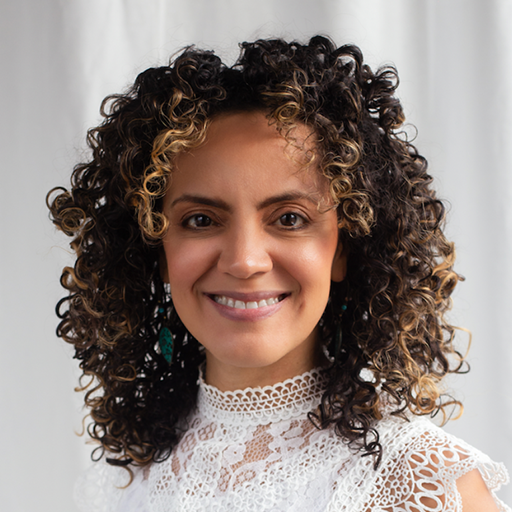
Dr. Merari Fernandez, PhD, LCSW
Program Co-Facilitator and Coordinator
ICSW faculty member with a private psychotherapy practice in Chicago, IL. Dr. Fernandez Castro holds a BA from the University of Puerto Rico at Humacao, an MSW from the University of Puerto Rico at Río Piedras, and a PhD from ICSW. Her clinical focus centers on individuals experiencing complex traumatic experiences and trauma responses manifested in the body, with expertise in object relations, relational theory, attachment, social justice, cultural identity, race, immigration, and colonialism.
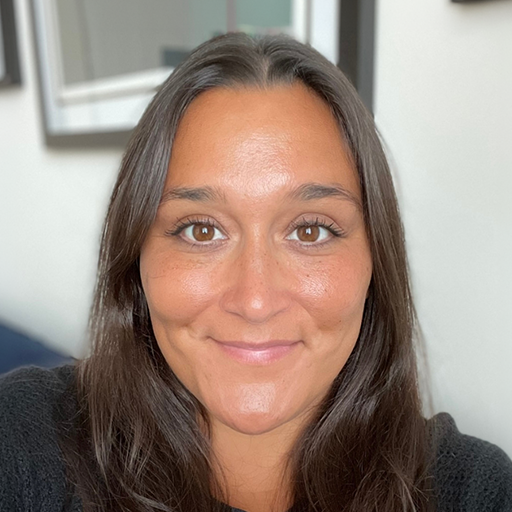
Dr. Kelly G. Arteaga, PsyD
Program Co-Facilitator
Kelly G. Arteaga, Psy.D. is a clinical psychologist in private practice in Chicago, Illinois. She works individually with adults and is particularly passionate about working with BIPOC patients, immigrants and children of immigrants, and fellow therapists. She recently completed three years of study at the Stephen Mitchell Relational Study Center. Her interests include Latine and multiracial identity, relational psychoanalysis, supervision/consultation, trauma, and loss/mourning.